
| By Shane Courtland |
Please note: The following essay is autobiographical. I thought it might be helpful to share my experience. As with all personal events, those who have experienced this on the other side have very different feelings about the situation.
The way I have always viewed philosophy, regarding its practice and how it should be taught, is as a method of thinking. As philosophers, we are tasked to apply rigorous critical thinking to complicated abstract concepts and dilemmas. There are no domain restrictions; there can literally be a philosophy-of-anything. Thus, we find ourselves entangled with debates in politics, religion, ethics, physics, mathematics, ad infinitum.
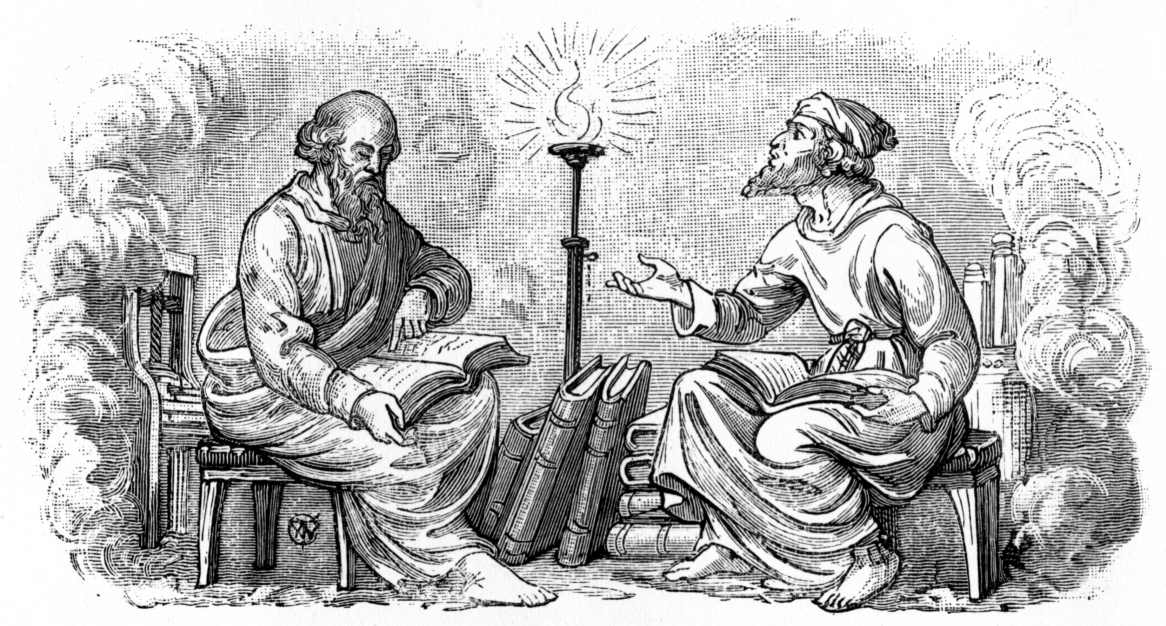
While it is true that a goal of the philosophical method is to seek the truth, I wouldn’t say that it is completely preoccupied with holding true beliefs. Let me explain. After years of obsessing over this method, it has rendered most (if not all) of my beliefs tentative. I realize that one discussion, essay, or argument may compel me to abandon a cherished belief.
 I know this because I have suffered from it countless times. I have been a dedicated theist. Now I am a hardcore atheist. I used to be an animal rights advocate. I was an ethical vegetarian for four years and I ran a local chapter of PETA. Now I am skeptical about the moral standing of animals. I used to be a Kantian. Now I am a Hobbesian. I used to push for egalitarian redistribution. Now I tend to embrace libertarianism.
Philosophy, in a sense, is like drinking Drano. Sure it cleans out the ill-justified beliefs, but it can leave you somewhat empty. The subjective convictions of your beliefs post-philosophy are never as strong as the subjective convictions pre-philosophy. Many of my non-philosophical friends and relatives are critical of my post philosophical-self. When I have discussions with them, at some point, I inevitably receive this rebuff: “Whatever, Shane… but… you don’t really believe anything.”
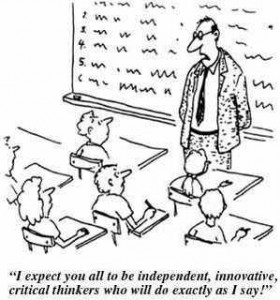 There is, however, something I believe in – the method. I cannot quit the method. Beliefs come and go, but my stake in this method is forever. It has become a part of my very identity. To use a religious expression, to a philosopher the method is the true faith.
My teaching reflects this faith. I tell my students that I don’t care what views they argue for in their papers or in class discussion. My job is to assess their application of the method. If they are competently using the method to argue for crazy or morally repugnant views, they will get a good grade – PERIOD.